Korean Bibimbap
Highlighted under: Traditional Planning
Korean Bibimbap is a vibrant and nutritious mixed rice dish topped with assorted vegetables, meat, and a fried egg, all seasoned with savory gochujang sauce.
Discover the delightful harmony of flavors in Korean Bibimbap, a dish that brings together a colorful array of vegetables and protein over a base of fluffy rice, topped with a spicy sauce.
Why You Will Love This Recipe
- A beautiful presentation that makes each bowl a feast for the eyes
- Packed with fresh and healthy ingredients
- The perfect balance of spicy, savory, and fresh flavors
The Heart of Bibimbap
Bibimbap is a beloved staple in Korean cuisine, cherished for its harmonious blend of flavors and textures. This mixed rice dish is not only a culinary delight but also a reflection of the colorful and diverse ingredients found in Korean cooking. Each component, from the sautéed vegetables to the tender meat or tofu, contributes to a well-rounded meal that is both satisfying and nutritious.
What sets bibimbap apart is its versatility. You can easily customize it to suit your taste preferences or dietary restrictions. Whether you prefer beef, tofu, or an array of vegetables, the options are endless. This makes bibimbap an ideal choice for families and gatherings, allowing everyone to create their own perfect bowl.
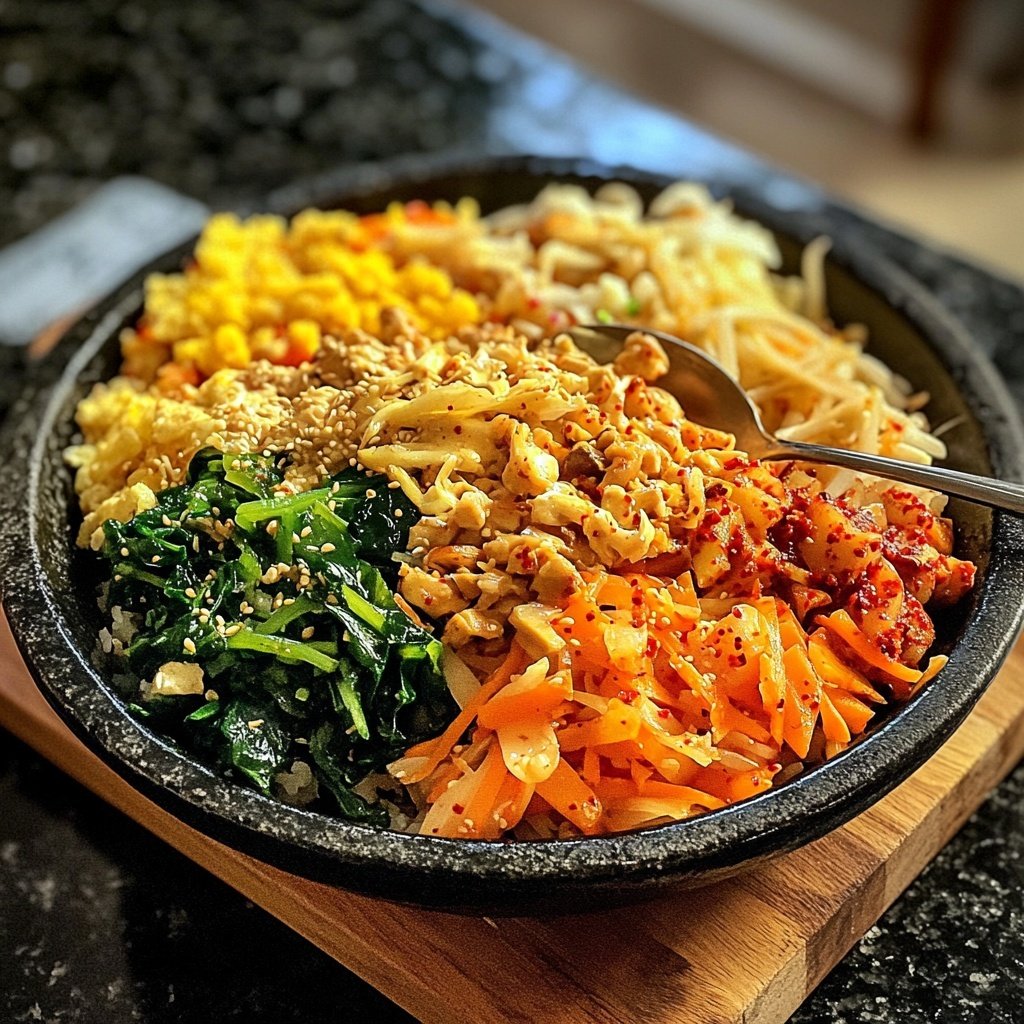
The vibrant presentation of bibimbap is also a key feature that makes it so appealing. The colorful array of vegetables creates a feast for the eyes, inviting you to dig in and enjoy. This dish not only nourishes the body but also delights the senses, making it a popular choice for both casual meals and special occasions.
Nutritional Benefits
Korean bibimbap is not just a treat for the palate; it's also packed with health benefits. The dish features a variety of vegetables, each contributing essential vitamins and minerals. Spinach is rich in iron and antioxidants, while carrots provide beta-carotene, which is beneficial for eye health. The inclusion of bean sprouts adds fiber and vitamin C, making bibimbap a wholesome option for those looking to eat healthily.
Using lean protein, such as ground beef or tofu, ensures that your bibimbap is a balanced meal. Protein is essential for muscle repair and overall health. Additionally, tofu offers a great plant-based alternative for those who are vegetarian or looking to reduce meat intake. This balance of nutrients helps to keep you full and satisfied longer.
Finally, the gochujang sauce not only adds a flavorful kick but also provides health benefits due to its fermented nature. Fermented foods are known to support gut health, which is crucial for overall wellness. When you enjoy bibimbap, you’re not just indulging in a delicious meal; you’re also investing in your health.
Serving Suggestions
When it comes to serving bibimbap, presentation is key. Consider using a stone bowl, known as 'dolsot,' to serve your bibimbap. This traditional vessel retains heat, allowing the rice to crisp at the bottom while keeping the other ingredients warm. The sizzling sound when served adds an exciting element to the dining experience, making it even more enjoyable.
Pair your bibimbap with traditional side dishes, known as banchan, such as kimchi or pickled vegetables. These small dishes offer a variety of flavors and textures that complement the main meal beautifully. They also enhance the overall dining experience, allowing you to explore the rich diversity of Korean cuisine.
For a refreshing drink, consider serving a traditional Korean beverage, such as barley tea or a light rice drink. These drinks are not only refreshing but also help cleanse the palate, enhancing the flavors of the bibimbap. With these serving suggestions, you can create a complete and satisfying meal that everyone will love.
Ingredients
For the Bibimbap
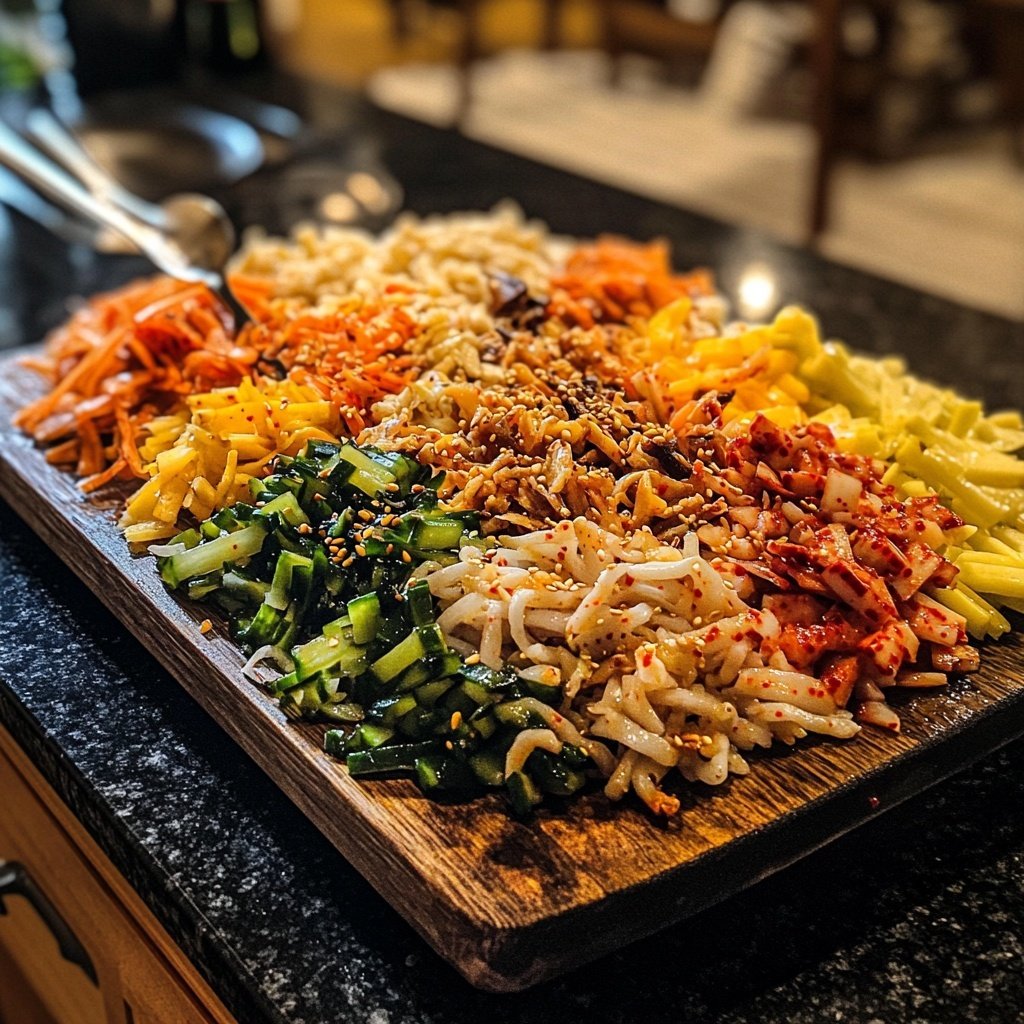
- 2 cups cooked white rice
- 1 cup bean sprouts
- 1 cup spinach, blanched
- 1 cup carrots, julienned
- 1 cup zucchini, julienned
- 1 cup shiitake mushrooms, sliced
- 4 eggs
- 1 pound ground beef or tofu
- 2 tablespoons vegetable oil
- Salt and pepper to taste
For the Gochujang Sauce
- 3 tablespoons gochujang (Korean chili paste)
- 1 tablespoon sesame oil
- 1 tablespoon sugar
- 1 tablespoon rice vinegar
- 1 tablespoon water
Adjust any ingredients to suit your taste!
Instructions
Prepare the Vegetables
In a large skillet, heat 1 tablespoon of vegetable oil over medium heat. Sauté the mushrooms and carrots separately until tender. Season with salt and pepper. Set aside.
Cook the Beef or Tofu
In the same skillet, add another tablespoon of oil and cook the ground beef or tofu until browned. Season with salt and pepper.
Fry the Eggs
In a separate pan, fry the eggs sunny-side up until the whites are set but yolks are still runny.
Assemble the Bibimbap
In serving bowls, place a scoop of rice and arrange the sautéed vegetables and beef or tofu on top. Add a fried egg to each bowl.
Prepare the Sauce
In a small bowl, mix together the gochujang, sesame oil, sugar, rice vinegar, and water. Adjust the consistency with more water if needed.
Serve
Drizzle the gochujang sauce over the bibimbap and mix everything together before enjoying!
Feel free to customize with additional toppings such as kimchi or seaweed!
Pro Tips
- For a vegetarian version, substitute the beef with mushrooms or tofu, and ensure the gochujang is vegan-friendly.
Tips for Perfect Bibimbap
To achieve the best flavor and texture in your bibimbap, ensure that each vegetable is cooked separately. This allows for individual seasoning and prevents the flavors from muddling together. It's also essential to blanch the spinach and bean sprouts quickly to retain their vibrant color and crunch.
When preparing the rice, opt for short-grain white rice, which is stickier and holds together better than long-grain varieties. This quality makes it easier to mix with the other ingredients and sauces, ensuring every bite is packed with flavor.
Don’t forget to adjust the gochujang sauce to your taste! If you prefer a milder flavor, you can reduce the amount of gochujang or add more water to thin it out. Conversely, if you love spice, feel free to add extra gochujang or even a splash of hot sauce for an extra kick.
Storing Leftovers
If you have leftover bibimbap, storing it properly is key to maintaining its flavor and texture. Keep the components separate if possible, as this will help prevent the vegetables from becoming soggy. Store the rice, vegetables, and protein in airtight containers in the refrigerator for up to three days.
When reheating, consider using a microwave or a skillet. If using a skillet, add a splash of water to create steam, which will help keep the rice moist. Reheat until everything is warmed through, and feel free to add a fresh fried egg on top for an easy upgrade.
For a quick meal, you can also repurpose leftover bibimbap ingredients into a stir-fry or a grain bowl. Simply toss everything together with some additional seasoning, and you have a brand-new dish that minimizes food waste while keeping meals exciting.
Questions About Recipes
→ Can I make bibimbap vegetarian?
Yes, simply substitute the meat with tofu or additional vegetables.
→ What type of rice should I use?
Short-grain white rice is traditional, but you can use brown rice or quinoa for a healthier option.
→ Can I prepare the ingredients in advance?
Absolutely! Prep the vegetables and protein ahead of time to make assembly quicker.
→ How spicy is bibimbap?
The spice level depends on how much gochujang you use. Start with a little and add more to taste.
Korean Bibimbap
Created by: Zara Ellington
Recipe Type: Traditional Planning
Skill Level: Intermediate
Final Quantity: 4 servings
What You'll Need
For the Bibimbap
- 2 cups cooked white rice
- 1 cup bean sprouts
- 1 cup spinach, blanched
- 1 cup carrots, julienned
- 1 cup zucchini, julienned
- 1 cup shiitake mushrooms, sliced
- 4 eggs
- 1 pound ground beef or tofu
- 2 tablespoons vegetable oil
- Salt and pepper to taste
For the Gochujang Sauce
- 3 tablespoons gochujang (Korean chili paste)
- 1 tablespoon sesame oil
- 1 tablespoon sugar
- 1 tablespoon rice vinegar
- 1 tablespoon water
How-To Steps
In a large skillet, heat 1 tablespoon of vegetable oil over medium heat. Sauté the mushrooms and carrots separately until tender. Season with salt and pepper. Set aside.
In the same skillet, add another tablespoon of oil and cook the ground beef or tofu until browned. Season with salt and pepper.
In a separate pan, fry the eggs sunny-side up until the whites are set but yolks are still runny.
In serving bowls, place a scoop of rice and arrange the sautéed vegetables and beef or tofu on top. Add a fried egg to each bowl.
In a small bowl, mix together the gochujang, sesame oil, sugar, rice vinegar, and water. Adjust the consistency with more water if needed.
Drizzle the gochujang sauce over the bibimbap and mix everything together before enjoying!
Extra Tips
- For a vegetarian version, substitute the beef with mushrooms or tofu, and ensure the gochujang is vegan-friendly.
Nutritional Breakdown (Per Serving)
- Calories: 500 kcal
- Total Fat: 22g
- Saturated Fat: 5g
- Cholesterol: 210mg
- Sodium: 650mg
- Total Carbohydrates: 58g
- Dietary Fiber: 5g
- Sugars: 5g
- Protein: 20g